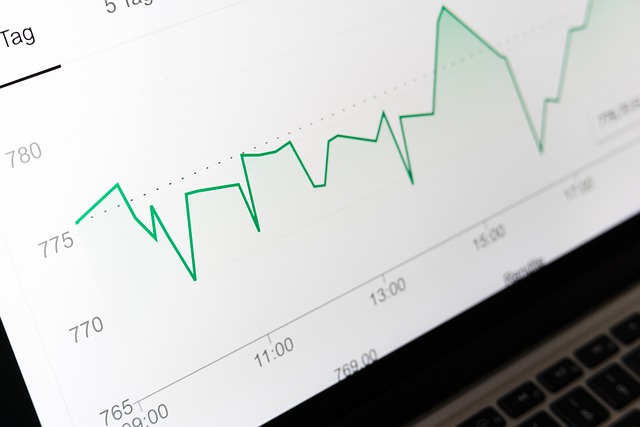
The US economic data released this afternoon brought no relief to the market. On the contrary: the Nasdaq 100 and S&P 500 marked new daily lows after the figures, while the Dow Jones recorded more moderate losses. The gold price fell below the $3,500 mark to a low of $3,470, the lowest level since September 2025. The US dollar, by contrast, remained largely unimpressed by the numbers within its narrow daily range.
What the numbers show
Core PCE, the Fed’s preferred inflation gauge, rose to 3.3 percent year-on-year and thus came in slightly above the expected 3.2 percent. Headline PCE arrived at 3.8 percent as expected, though the previous month was revised upward from 3.6 to 3.7 percent. At the same time, third-quarter GDP clearly exceeded expectations at 4.3 percent (forecast 3.4 percent, after 2.2 percent previously). Weekly initial jobless claims came in 12,000 below consensus.
The overall picture was interpreted by the market as rather hawkish. Core inflation remains stubborn, the economy is growing robustly, and the labor market shows no notable weakness. This reinforces the expectation of a rate hike in December and reduces hopes of an imminent easing. In the current environment, that was enough to further increase pressure on highly valued tech and growth stocks.
Data still due today
Later in the day, new home sales are still on the schedule. They provide a further indication of the state of the US housing market and the impact of higher interest rates. After that come the weekly crude oil inventories. Should these show a stronger build, it could put further pressure on the recently fallen oil price. A persistently lower oil price would in turn ease inflation data in the coming months – though only with a delay and without any immediate effect on the already released October figures.
Assessment
The reaction after the PCE and GDP data once again underscores that the market is currently trading primarily on the interest-rate and valuation narrative. Positive or mixed fundamental data are quickly relativized in this environment. Whether the still-pending home sales figures and, above all, the oil inventories can trigger a noticeable counter-move remains to be seen. A sustainable easing of inflation concerns through lower energy prices would at best be a topic for the following months – and thus for the period after the next Fed meeting.
Advertisement